Plot 16A Luthuli Ave, Kampala, Bugolobi

Birding Tourism

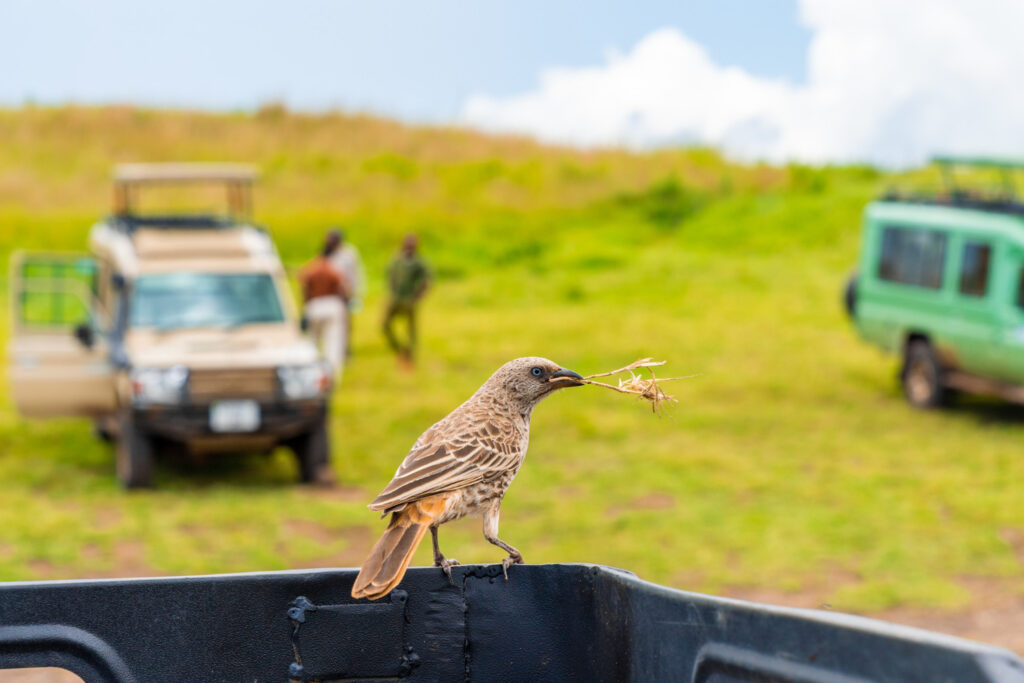
Birding tourism, also known as birdwatching tourism, is a form of nature-based tourism where travelers visit different destinations to observe and enjoy birds in their natural habitats. It is one of the fastest-growing segments of eco-tourism, attracting both amateur birdwatchers and professional ornithologists from all over the world.

Overview

Birding tourism involves traveling to locations rich in bird diversity to watch, identify, and photograph various bird species. It often includes guided tours, birding festivals, and conservation activities that promote environmental awareness and appreciation of wildlife.

Importance of Birding Tourism

  1. Conservation Support:
    Birding encourages the protection of natural habitats and biodiversity. Entrance fees, guide services, and conservation contributions help fund wildlife conservation projects.
  2. Economic Benefits:
    Birdwatchers often spend on accommodation, transport, food, and local guides, contributing significantly to rural and community economies.
  3. Education and Awareness:
    It helps people learn about the importance of birds in ecosystems, including their roles in pollination, seed dispersal, and pest control.
  4. Community Empowerment:
    In many rural areas, local communities benefit from offering birding-related services such as guiding, lodging, and cultural experiences.


Popular Birding Destinations

Globally, birding hotspots include:

1. The Amazon Rainforest (South America) – home to over 1,500 bird species.

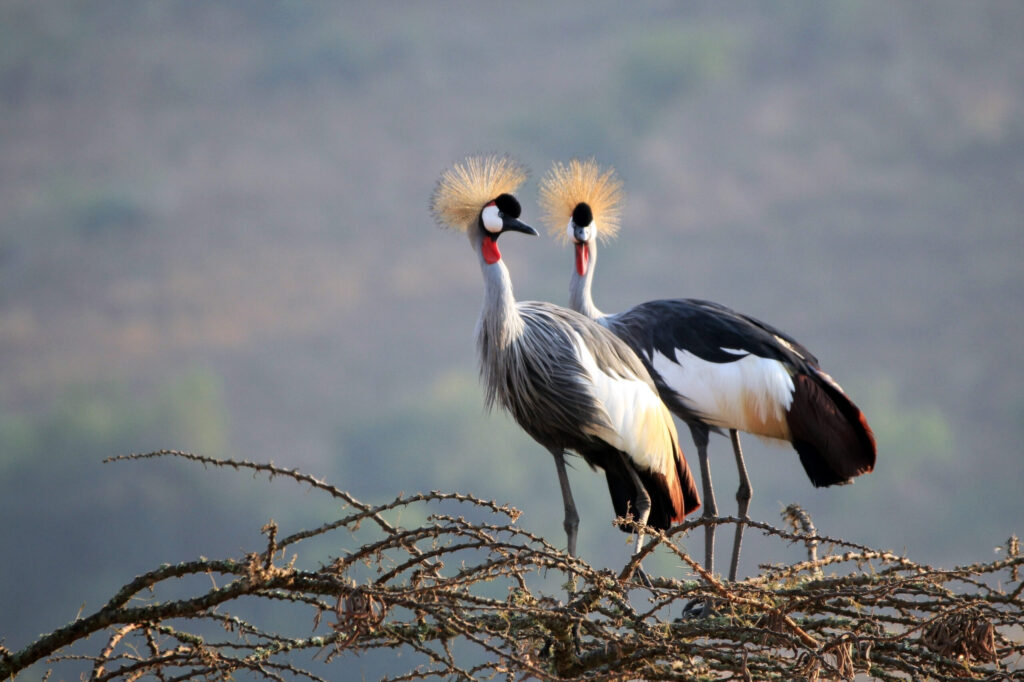
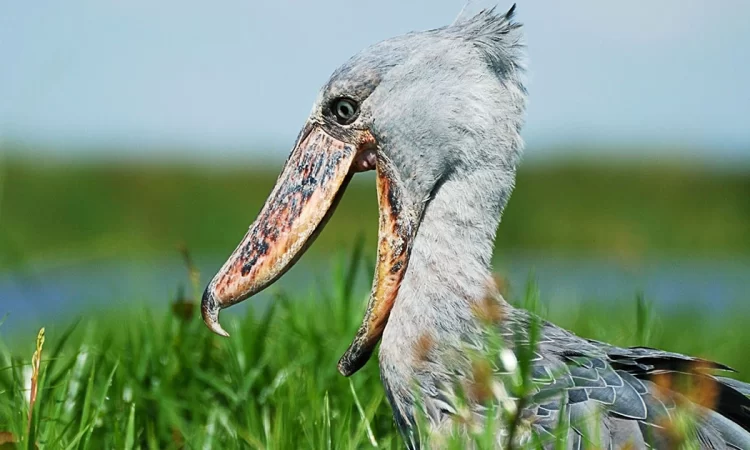
2.  East Africa – especially Uganda, Kenya, and Tanzania, known for diverse birdlife such as the Shoebill and Flamingos.

3.  Costa Rica – famous for its colorful toucans and hummingbirds.

4.  Southeast Asia – with tropical forests hosting many endemic and migratory birds.

Birding Tourism in Uganda (Example)

Uganda is often called the “Pearl of Africa” and is a top birding destination with over 1,090 recorded bird species. Key birding sites include:

1. Mabamba Swamp (for the rare Shoebill Stork)

2. Bwindi Impenetrable Forest (home to Albertine Rift endemics)

3. Queen Elizabeth National Park and Murchison Falls National Park

Uganda’s combination of diverse ecosystems—wetlands, forests, savannahs, and mountains—makes it an ideal destination for birders seeking both rare and migratory species.

Sustainable Birding Practices

To ensure birding tourism remains sustainable:

1. Follow ethical birdwatching guidelines (avoid disturbing birds or their habitats).

2. Support local guides and eco-friendly lodges.

3. Participate in conservation initiatives and awareness campaigns..

You don't have permission to register